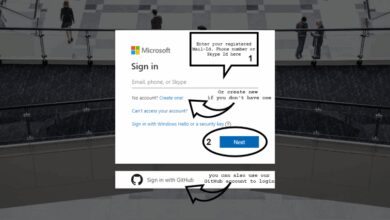
Logging into the Azure portal is your gateway to managing cloud resources with ease. Whether you’re a developer, IT admin, or business owner, mastering the azure portal log in process is essential for seamless cloud operations. Let’s dive into everything you need to know.
Understanding the Azure Portal Log In Process
The azure portal log in is the first step to accessing Microsoft’s powerful cloud computing platform. It allows users to manage virtual machines, storage, networking, and a wide array of Azure services through a unified web interface. Knowing how the login system works ensures you can access your resources securely and efficiently.
What Is the Azure Portal?
The Azure portal is a web-based console provided by Microsoft that enables users to interact with Azure services. It offers a graphical user interface (GUI) for deploying, configuring, and monitoring resources in the cloud. From creating virtual machines to setting up AI models, the portal is the central hub for all Azure activities.
- It supports role-based access control (RBAC) for team collaboration.
- Available at portal.azure.com, the portal is accessible from any modern browser.
- Offers real-time monitoring, cost management, and security tools.
“The Azure portal is the control center for your cloud infrastructure.” — Microsoft Azure Documentation
How Azure Authentication Works
Azure uses Azure Active Directory (Azure AD) as its identity and access management service. When you perform an azure portal log in, your credentials are validated through Azure AD, which determines your permissions and access level.
- Supports multi-factor authentication (MFA) for enhanced security.
- Allows integration with on-premises Active Directory via Azure AD Connect.
- Enables single sign-on (SSO) across Microsoft 365, Dynamics 365, and other integrated apps.
Understanding this authentication flow helps troubleshoot login issues and configure secure access for teams.
Step-by-Step Guide to Azure Portal Log In
Performing a successful azure portal log in is straightforward if you follow the correct steps. Whether you’re a first-time user or returning after a break, this guide ensures smooth access every time.
Step 1: Navigate to the Official Login Page
Open your preferred web browser and go to https://portal.azure.com. This is the official URL for the azure portal log in. Avoid third-party links to prevent phishing risks.
- Bookmark the page for quick future access.
- Ensure the website URL begins with ‘https://’ and displays a padlock icon for security.
Step 2: Enter Your Credentials
Type in your email address associated with your Azure account. This could be a personal Microsoft account (e.g., @outlook.com) or a work/school account (e.g., @yourcompany.com).
- If you’re using a work account, ensure you’re connected to the correct Azure AD tenant.
- After entering your email, click ‘Next’ and input your password.
For added security, Azure may prompt you for additional verification.
Step 3: Complete Multi-Factor Authentication (MFA)
If MFA is enabled, you’ll need to verify your identity using a second method. Options include:
- Mobile app notification (e.g., Microsoft Authenticator)
- Text message (SMS) with a one-time code
- Phone call verification
- Hardware security key (e.g., YubiKey)
Once verified, you’ll be redirected to the Azure dashboard.
“Never skip MFA—it blocks over 99.9% of automated attacks.” — Microsoft Security Report
Common Azure Portal Log In Issues and Fixes
Even with a well-designed system, users sometimes face challenges during the azure portal log in process. Recognizing common issues and their solutions can save time and frustration.
Issue 1: ‘Incorrect Password’ Error
This is one of the most frequent login problems. Causes include:
- Typing errors (Caps Lock enabled, incorrect keyboard layout)
- Using the wrong account (personal vs. work/school)
- Password expiration or reset requirement
Solution: Click ‘Forgot password?’ on the login screen to reset it. If using a work account, contact your administrator.
Issue 2: Account Locked or Suspended
Repeated failed attempts can temporarily lock your account. Additionally, subscriptions may be suspended due to billing issues.
- Wait 15–30 minutes before retrying.
- Check your email for suspension notices from Microsoft.
- Contact Azure support if the issue persists.
Visit Microsoft Azure Support for help.
Issue 3: Browser or Cache Problems
Sometimes, the problem isn’t with Azure but with your browser. Corrupted cache or disabled cookies can block login.
- Clear browser cache and cookies.
- Try an incognito/private browsing window.
- Update your browser or try a different one (Chrome, Edge, Firefox).
Disabling ad-blockers or privacy extensions may also resolve the issue.
Security Best Practices for Azure Portal Log In
Securing your azure portal log in is critical to protecting sensitive data and infrastructure. Cyberattacks often target login credentials, so adopting strong security practices is non-negotiable.
azure portal log in – Azure portal log in menjadi aspek penting yang dibahas di sini.
Enable Multi-Factor Authentication (MFA)
MFA adds an extra layer of protection by requiring two or more verification methods. Even if a password is compromised, attackers can’t access your account without the second factor.
- Use the Microsoft Authenticator app for push notifications.
- Set up backup methods like SMS or phone calls.
- Enforce MFA for all users in your organization via Azure AD policies.
Learn more at Microsoft’s MFA documentation.
Use Conditional Access Policies
Conditional Access in Azure AD allows you to control when and how users can log in based on specific conditions.
- Block access from untrusted locations or devices.
- Require compliant devices (e.g., encrypted laptops) for access.
- Enforce MFA during risky sign-ins (e.g., unfamiliar IP addresses).
These policies are configured under Azure AD > Security > Conditional Access.
“Conditional Access is the cornerstone of Zero Trust security in Azure.” — Microsoft Security Blog
Monitor Sign-In Logs Regularly
Azure AD provides detailed sign-in logs that help detect suspicious activity.
- Go to Azure AD > Monitoring > Sign-in logs.
- Filter by user, app, status (success/failure), or risk level.
- Set up alerts for failed logins or logins from unusual locations.
Proactive monitoring can prevent breaches before they escalate.
Using Single Sign-On (SSO) for Azure Portal Access
For organizations managing multiple applications, SSO simplifies the azure portal log in experience by allowing users to authenticate once and gain access to all authorized services.
How SSO Integrates with Azure AD
Azure AD acts as an identity provider (IdP) for thousands of cloud apps. When SSO is enabled, users log in through Azure AD and are automatically granted access to the Azure portal and other integrated apps.
- Supports SAML, OAuth, and OpenID Connect protocols.
- Reduces password fatigue and improves user productivity.
- Centralizes identity management for IT teams.
Configure SSO via Azure AD > Enterprise Applications.
Setting Up SSO for Your Organization
To enable SSO:
- Sign in to the Azure portal as a Global Administrator.
- Navigate to Azure Active Directory > Enterprise Applications.
- Select the application and configure single sign-on settings.
You can also use third-party identity providers like Okta or Ping Identity with Azure.
Benefits of SSO in Enterprise Environments
SSO isn’t just convenient—it enhances security and compliance.
- Reduces the risk of weak or reused passwords.
- Enables centralized audit trails for compliance reporting.
- Streamlines onboarding and offboarding of employees.
For large enterprises, SSO is a must-have for identity governance.
Managing Multiple Azure Subscriptions During Log In
Many users manage multiple Azure subscriptions—whether for different projects, departments, or clients. Understanding how to navigate between them after an azure portal log in is crucial for efficient management.
Understanding Azure Tenants and Subscriptions
An Azure tenant is a dedicated instance of Azure AD, representing an organization. Within a tenant, you can have multiple subscriptions, which are billing and management containers for Azure resources.
- Each subscription has its own spending limit and resource quotas.
- Users can be assigned different roles (Owner, Contributor, Reader) per subscription.
- You can switch between subscriptions directly in the portal.
Learn more at Azure Subscription and Tenant Guide.
Switching Between Subscriptions
After logging in:
- Click your profile icon in the top-right corner.
- Select ‘Switch directory’ to change tenants (if you have access to multiple).
- Use the subscription filter in the top toolbar to select the desired subscription.
You can also pin frequently used subscriptions for quick access.
Best Practices for Multi-Subscription Management
To avoid confusion and misconfigurations:
azure portal log in – Azure portal log in menjadi aspek penting yang dibahas di sini.
- Use consistent naming conventions (e.g., ‘Prod-EastUS’, ‘Dev-WestEU’).
- Apply tags to resources for cost tracking and governance.
- Leverage Azure Management Groups to organize subscriptions hierarchically.
Management groups allow you to apply policies and RBAC at scale.
Advanced Access Methods: CLI, PowerShell, and API
While the web portal is user-friendly, advanced users often prefer command-line tools for automation and scripting. These methods still require an initial azure portal log in for setup but allow headless access afterward.
Using Azure CLI for Login
The Azure Command-Line Interface (CLI) is a cross-platform tool for managing Azure resources.
- Install Azure CLI from Microsoft’s official site.
- Run
az loginin your terminal. - Follow the browser-based authentication prompt.
Once logged in, you can run commands like az vm list to view virtual machines.
Logging In with Azure PowerShell
Azure PowerShell is ideal for Windows administrators and automation scripts.
- Install the Az module using
Install-Module -Name Az. - Run
Connect-AzAccountto start the login process. - Enter your credentials in the pop-up window.
You can now automate tasks like deploying VMs or managing storage.
Programmatic Access via Azure REST API
For developers, the Azure REST API allows full control over resources.
- Register an app in Azure AD to get a client ID and secret.
- Use OAuth 2.0 to obtain an access token.
- Include the token in API requests to perform actions.
This method is used in custom applications and integrations.
How do I reset my Azure portal password?
If you’re using a Microsoft account, go to the password reset page. For work or school accounts, contact your Azure AD administrator or use the ‘Forgot password?’ link on the login screen if self-service password reset is enabled.
Why can’t I log in to the Azure portal?
Common reasons include incorrect credentials, expired passwords, MFA issues, browser problems, or account suspension. Try clearing your cache, using a different browser, or checking your subscription status. If the problem continues, consult Azure’s service health dashboard for outages.
Can I access Azure without a web browser?
Yes. You can use Azure CLI, Azure PowerShell, or the Azure mobile app to manage resources without the web portal. These tools require initial authentication but support scriptable and automated workflows.
Is the Azure portal free to use?
The Azure portal itself is free to access. However, the resources you create and manage within it (like VMs, storage, and databases) incur costs based on usage. You can use the Azure Free Account to get $200 credit and access to popular services for 12 months.
How do I enable MFA for my Azure account?
Sign in to the Azure portal, go to Azure Active Directory > Security > Multi-Factor Authentication. Select your user account and enable MFA. For organizations, use Conditional Access policies to enforce MFA across all users.
Mastering the azure portal log in is the foundation of effective cloud management. From secure authentication and troubleshooting common issues to leveraging advanced tools like CLI and SSO, understanding every aspect ensures you can work efficiently and securely. Whether you’re a beginner or an expert, these insights empower you to make the most of Microsoft Azure’s powerful ecosystem.
azure portal log in – Azure portal log in menjadi aspek penting yang dibahas di sini.
Further Reading: