Welcome to the ultimate guide on msft azure, where cloud computing meets innovation. In this comprehensive deep dive, we explore the transformative power of Microsoft Azure, its core services, real-world applications, and strategic advantages for businesses worldwide.
What Is msft azure and Why It Dominates the Cloud Landscape

Microsoft Azure, commonly referred to as msft azure, is one of the leading cloud computing platforms globally, competing directly with Amazon Web Services (AWS) and Google Cloud Platform (GCP). Launched in 2010, Azure has evolved into a comprehensive ecosystem offering over 200 services, including computing, analytics, storage, networking, and machine learning—all hosted in Microsoft’s global network of data centers.
Origins and Evolution of msft azure
msft azure began as Windows Azure, primarily focused on application hosting. Over the years, Microsoft rebranded and expanded its capabilities to support hybrid cloud environments, enterprise-grade security, and seamless integration with existing Microsoft products like Office 365, Dynamics 365, and Active Directory.
- 2010: Launched as Windows Azure for PaaS (Platform as a Service).
- 2014: Rebranded to Microsoft Azure with expanded IaaS (Infrastructure as a Service) support.
- 2018: Became the first cloud provider compliant with ISO 27001, HIPAA, and FedRAMP.
- 2023: Powers over 95% of Fortune 500 companies, according to Microsoft’s official reports.
This evolution reflects Microsoft’s strategic pivot from a software-centric company to a cloud-first, AI-driven technology leader.
Core Components of msft azure Architecture
The architecture of msft azure is built around three primary service models: Infrastructure as a Service (IaaS), Platform as a Service (PaaS), and Software as a Service (SaaS). These models allow businesses to choose the level of control and management they need over their IT resources.
- IaaS: Provides virtualized computing resources over the internet. Example: Azure Virtual Machines.
- PaaS: Offers hardware and software tools over the internet, typically for application development. Example: Azure App Services.
- SaaS: Delivers software applications over the internet on a subscription basis. Example: Microsoft 365.
These layers are supported by a global infrastructure of more than 60 regions, ensuring low latency and high availability for users across continents. For more details, visit Microsoft Azure’s official site.
“Azure is not just a cloud platform; it’s a bridge between legacy systems and future innovation.” — Satya Nadella, CEO of Microsoft
Key Advantages of Using msft azure for Enterprises
Organizations across industries are rapidly adopting msft azure due to its robust feature set, scalability, and integration capabilities. The platform offers tangible benefits that directly impact operational efficiency, cost management, and digital transformation.
Scalability and Flexibility in msft azure
One of the most compelling reasons businesses choose msft azure is its ability to scale resources up or down based on demand. Whether handling seasonal traffic spikes or expanding into new markets, Azure allows dynamic resource allocation without upfront hardware investment.
- Auto-scaling features adjust compute power based on real-time usage.
- Pay-as-you-go pricing ensures cost efficiency.
- Support for both Windows and Linux environments increases flexibility.
This elasticity is particularly beneficial for startups and enterprises undergoing digital transformation, enabling them to innovate faster and respond to market changes with agility.
Cost Efficiency and Total Cost of Ownership (TCO)
Compared to traditional on-premises infrastructure, msft azure significantly reduces capital expenditure (CapEx). Instead of purchasing servers and maintaining data centers, companies can leverage Azure’s subscription-based model.
- Eliminates costs related to physical hardware, cooling, and power.
- Reduces IT staffing needs for infrastructure maintenance.
- Offers reserved instances and hybrid benefits for long-term savings.
A study by Forrester Consulting found that organizations using Azure achieved a 45% reduction in TCO over three years. Learn more at Forrester’s research portal.
msft azure Security: Enterprise-Grade Protection You Can Trust
Security is a top concern for any organization moving to the cloud, and msft azure addresses this with a multi-layered, defense-in-depth approach. From physical data center security to advanced threat detection, Azure provides comprehensive protection.
Built-In Security Features of msft azure
Azure integrates security at every level of its architecture. Key features include:
- Azure Security Center: A unified infrastructure security management system that strengthens the security posture of your data centers.
- Azure Firewall: A managed, cloud-based network security service that protects your Azure Virtual Network resources.
- DDoS Protection: Defends against distributed denial-of-service attacks with automatic traffic monitoring and mitigation.
- Identity and Access Management (IAM): Controls who has access to what, using Azure Active Directory (Azure AD).
These tools work together to provide real-time visibility, threat prevention, and compliance enforcement.
Compliance and Regulatory Standards
msft azure complies with a vast array of international and industry-specific standards, making it suitable for highly regulated sectors such as finance, healthcare, and government.
- GDPR (General Data Protection Regulation)
- ISO/IEC 27001, 27017, 27018
- HIPAA (Health Insurance Portability and Accountability Act)
- FedRAMP (Federal Risk and Authorization Management Program)
- PCI DSS (Payment Card Industry Data Security Standard)
This compliance framework ensures that data stored and processed in msft azure meets strict legal and regulatory requirements. Explore Azure’s compliance offerings at Microsoft Compliance Documentation.
“Security is not a feature; it’s a promise. Azure delivers that promise every second of every day.” — Brad Smith, President of Microsoft
Top msft azure Services Every Developer Should Know
For developers, msft azure offers a rich set of tools and services that streamline application development, deployment, and monitoring. These services empower teams to build scalable, resilient, and intelligent applications.
Azure App Services and Web Apps
Azure App Services is a fully managed platform for building, deploying, and scaling web apps. It supports multiple programming languages including .NET, Node.js, Java, Python, and PHP.
- Automatic scaling and load balancing.
- Integrated DevOps with GitHub, Azure DevOps, and Bitbucket.
- Support for custom domains and SSL certificates.
- Deployment slots for staging and production environments.
This service eliminates the need for server management, allowing developers to focus on writing code rather than managing infrastructure.
Azure Functions and Serverless Computing
Azure Functions enables serverless computing, where code runs in response to events without provisioning or managing servers. This is ideal for microservices, background tasks, and event-driven architectures.
- Event triggers from HTTP requests, timers, queues, or databases.
- Pay only for execution time (per millisecond billing).
- Integration with Logic Apps and Event Grid for workflow automation.
Serverless computing reduces operational overhead and accelerates time-to-market for new features.
Hybrid Cloud Capabilities with msft azure
Unlike pure public cloud providers, msft azure excels in hybrid cloud scenarios—where organizations maintain a mix of on-premises infrastructure and cloud resources. This flexibility is critical for enterprises with legacy systems or data residency requirements.
Azure Stack and On-Premises Integration
Azure Stack is a suite of products that extends Azure services to on-premises environments. It includes:
- Azure Stack Hub: For data centers requiring full Azure consistency.
- Azure Stack Edge: A hardware device with AI-powered edge computing and cloud storage capabilities.
- Azure Stack HCI: A hyper-converged infrastructure solution for virtualized workloads.
These solutions allow businesses to run Azure services locally while maintaining seamless connectivity with the public cloud.
Disaster Recovery and Backup with Azure Site Recovery
Data resilience is crucial, and msft azure provides robust disaster recovery solutions through Azure Site Recovery (ASR).
- Replicates on-premises virtual machines to Azure.
- Enables failover and failback with minimal downtime.
- Supports VMware, Hyper-V, and physical servers.
ASR ensures business continuity during outages, natural disasters, or cyberattacks. More information is available at Azure Site Recovery page.
AI and Machine Learning Powered by msft azure
Microsoft has positioned msft azure as a leader in artificial intelligence and machine learning. The platform provides accessible tools that enable developers and data scientists to build intelligent applications without deep expertise in AI.
Azure Machine Learning Studio
Azure Machine Learning is a cloud-based environment for training, deploying, and managing machine learning models.
- Drag-and-drop interface for building ML pipelines.
- Automated ML (AutoML) to simplify model selection and hyperparameter tuning.
- Integration with Python, Jupyter Notebooks, and popular frameworks like TensorFlow and PyTorch.
- Model explainability and fairness tools for ethical AI.
This service accelerates AI adoption across industries, from predictive maintenance in manufacturing to fraud detection in banking.
Cognitive Services and Pre-Built AI APIs
For organizations that want to add AI capabilities quickly, Azure offers Cognitive Services—pre-built APIs for vision, speech, language, and decision-making.
- Computer Vision API: Analyzes images for objects, text, and faces.
- Text Analytics API: Extracts sentiment, key phrases, and entities from text.
- Speech to Text and Text to Speech: Enables voice-enabled applications.
- Translator Text API: Real-time language translation for global apps.
These APIs reduce development time and allow even non-AI specialists to integrate smart features into their applications.
“The future of software is AI-infused, and Azure is the platform where that future is being built.” — Joseph Sirosh, Former Corporate VP of AI & Research at Microsoft
Real-World Applications of msft azure Across Industries
msft azure is not just a theoretical platform—it’s actively transforming industries. From healthcare to retail, organizations are leveraging Azure to innovate and stay competitive.
Healthcare: Improving Patient Outcomes with Azure
Hospitals and research institutions use msft azure to process vast amounts of medical data securely.
- Philips uses Azure to power its IntelliSpace Critical Care platform, enabling real-time patient monitoring.
- NCI (National Cancer Institute) leverages Azure for genomic data analysis in cancer research.
- Azure Health Data Services help standardize and manage FHIR-based health records.
These applications improve diagnosis accuracy, reduce treatment times, and enhance patient care.
Retail and E-Commerce: Personalizing the Customer Experience
Retailers use msft azure to analyze customer behavior, optimize supply chains, and deliver personalized experiences.
- Walmart uses Azure AI to forecast demand and manage inventory across thousands of stores.
- ASOS employs Azure Machine Learning for fashion recommendation engines.
- Azure IoT Hub connects smart shelves and checkout systems for real-time inventory tracking.
By harnessing data intelligence, retailers can increase conversion rates and customer loyalty.
Getting Started with msft azure: A Step-by-Step Guide
Beginning your journey with msft azure is straightforward, even for those new to cloud computing. Microsoft provides extensive resources to help users get up and running quickly.
Creating Your First Azure Account
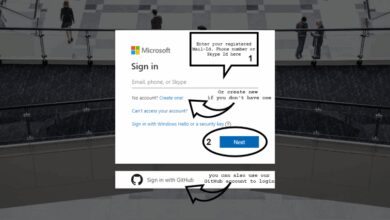
To start using msft azure, visit Azure Free Account and sign up with your Microsoft account. The free tier includes:
- 12 months of free services (e.g., VMs, databases).
- $200 credit for use within the first 30 days.
- Access to over 55 always-free services.
This allows you to experiment with core services without financial risk.
Navigating the Azure Portal and Key Tools
The Azure Portal is the central dashboard for managing all Azure resources.
- Search bar to quickly find services.
- Resource groups for organizing related components.
- Monitoring tools like Azure Monitor and Log Analytics.
- Role-Based Access Control (RBAC) for team permissions.
Familiarizing yourself with the portal is the first step toward mastering msft azure.
What is msft azure?
msft azure is Microsoft’s cloud computing platform that provides a wide range of services including computing, storage, networking, databases, AI, and analytics. It enables businesses to build, deploy, and manage applications across a global network of data centers.
How does msft azure compare to AWS?
While both platforms offer similar core services, msft azure excels in hybrid cloud integration, enterprise support, and seamless compatibility with Microsoft products. AWS has a larger market share, but Azure is growing rapidly, especially among Fortune 500 companies.
Is msft azure secure?
Yes, msft azure is highly secure, offering enterprise-grade security features, compliance with global standards, and advanced threat protection through Azure Security Center and Azure Sentinel.
Can I use msft azure for AI and machine learning?
Absolutely. msft azure provides powerful AI tools like Azure Machine Learning, Cognitive Services, and Bot Framework, enabling developers to build intelligent applications with minimal coding.
What are the pricing models for msft azure?
msft azure uses a pay-as-you-go model, with options for reserved instances, hybrid benefits, and free tiers. Pricing varies by service, region, and usage level, allowing flexible cost management.
In conclusion, msft azure stands as a powerhouse in the cloud computing world, offering unmatched scalability, security, and innovation. Whether you’re a developer, IT professional, or business leader, Azure provides the tools and infrastructure needed to drive digital transformation. From hybrid cloud solutions to cutting-edge AI, the platform continues to evolve, empowering organizations to achieve more. By understanding its core services, security model, and real-world applications, you can harness the full potential of msft azure to build the future of technology.
Further Reading: